CCTV
Key Takeaways
- Choose an alarm system based on your home’s size, layout and security needs.
- Wireless alarm systems can offer flexible installation with fewer cables.
- Monitored alarms can provide additional support when an alarm is triggered.
- Smart alarms can connect with compatible devices and allow remote control.
- Professional alarm installation can help ensure your system is correctly set up.
Protecting your home is an important part of keeping your family and belongings safe. A reliable security system can provide an added layer of protection against unwanted entry and help you feel more secure when you are at home or away. With options ranging from traditional burglar alarms to wireless and smart systems, choosing the right solution can seem confusing.
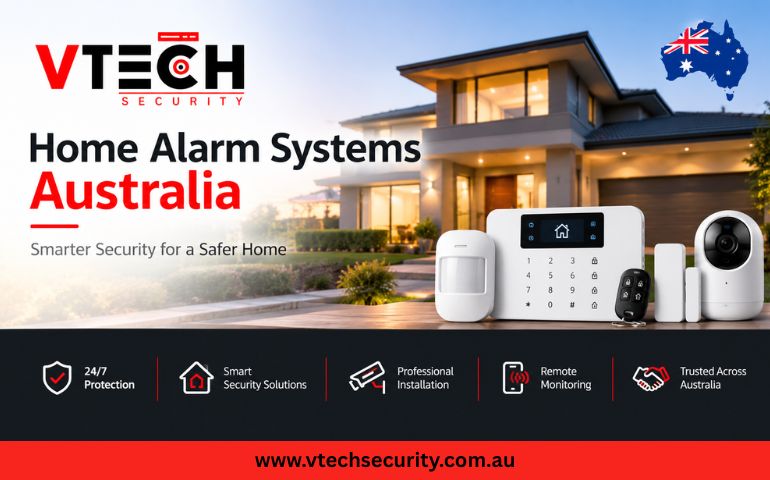
This guide to Home Alarm Systems Australia explains the main types of alarms, how they work, what to consider before installation, and how modern technology can make home security easier to manage.
What is a Home Alarm System?
A home security system is designed to detect activity that may indicate an attempted break-in or unauthorised access. Depending on the system, it may use door and window sensors, motion detectors, alarms, cameras or other security devices.
When a sensor detects unexpected activity, the system can trigger an audible alarm. More advanced systems may also send an alert to a connected mobile device or monitoring service.
The best setup depends on factors such as the size of your property, the number of entry points and whether you want remote access or professional monitoring.
Types of Home Alarm Systems
There are several types of alarm systems available, each offering different features and levels of convenience.
1. Wireless Alarm Systems
Wireless alarm systems communicate between sensors and the central control unit without requiring extensive cabling. This can make them a flexible option for existing properties where running new cables may be inconvenient.
Wireless systems can also be easier to adapt if you decide to add or move certain sensors in the future. However, battery-powered components need to be checked and maintained regularly.
2. Monitored Alarms
Monitored alarms are connected to a professional monitoring service. When an alarm is activated, the monitoring service can respond according to the agreed process.
This option can be useful for homeowners who want an additional layer of support, particularly when they are away from the property.
3. Smart Alarms
Smart alarms use modern connectivity to give homeowners greater control over their security. Depending on the system, users may be able to manage settings or receive notifications through a smartphone or other connected device.
Smart technology can be particularly convenient for people who want to keep an eye on their home while travelling or at work.
What Should You Consider Before Choosing an Alarm?
Choosing the right burglar alarms for your property requires more than simply comparing features. Consider how your home is used and which areas need protection.
Think about:
1. Property size: Larger homes may require more sensors or security zones.
2. Entry points: Consider doors, windows and other accessible areas.
3. Lifestyle: Decide whether remote access or mobile notifications would be useful.
4. Monitoring: Consider whether you want a monitored service.
5. Installation: Check whether professional installation is recommended.
6. Maintenance: Make sure you understand battery checks, testing and servicing requirements.
It is also worth considering whether you may want to expand your system later. A flexible system can make it easier to add compatible security equipment as your needs change.
Why Professional Alarm Installation Matters
Correct alarm installation is important for reliable operation. Sensors need to be positioned appropriately, while the control panel and other components should be configured correctly.
Professional installation can also help ensure that you understand how to operate and test your system. After installation, homeowners should regularly check that the alarm, sensors and other connected components are working as expected.
It is important not to rely on an alarm alone. Good home security can also include secure doors and windows, suitable outdoor lighting, careful management of keys and sensible security habits.
How to Maintain Your Home Alarm System
Regular maintenance can help keep your alarm system working effectively. Check the system according to the manufacturer’s guidance and replace batteries when required.
You should also test sensors and alarms periodically and investigate any warning notifications promptly. If your system is professionally monitored, make sure your contact details and emergency information are kept up to date.
Technology can change over time, so it may also be worth reviewing your security requirements if you renovate your home, move house or add new connected devices.
Conclusion
The right Home Alarm Systems Australia solution can provide valuable protection and greater peace of mind. Whether you choose wireless alarm systems, monitored alarms, smart alarms or a more traditional setup, the key is to select a system that matches your property’s layout and your security requirements.
Taking time to assess your needs, choosing suitable equipment and arranging reliable alarm installation can help you create a more practical and dependable home security setup.
Frequently Asked Questions
1. What is the best home alarm system for a house?
The best system depends on your property, entry points, lifestyle and preferred features. Wireless, monitored and smart alarms can all be suitable in different situations.
2. Are wireless alarm systems reliable?
Wireless alarm systems can provide reliable protection when correctly installed and maintained. Batteries and system components should be checked regularly according to the manufacturer’s recommendations.
3. Are monitored alarms worth considering?
Monitored alarms can be useful if you want an additional response service when your alarm is triggered, particularly when you are away from home.
4. Can smart alarms be controlled remotely?
Some smart alarms offer remote control and notifications through compatible mobile apps or connected devices. Features vary between systems.
5. Do I need professional alarm installation?
Professional installation can help ensure sensors and other components are positioned and configured correctly. It can also help you understand how to use and maintain the system.