CCTV Camera
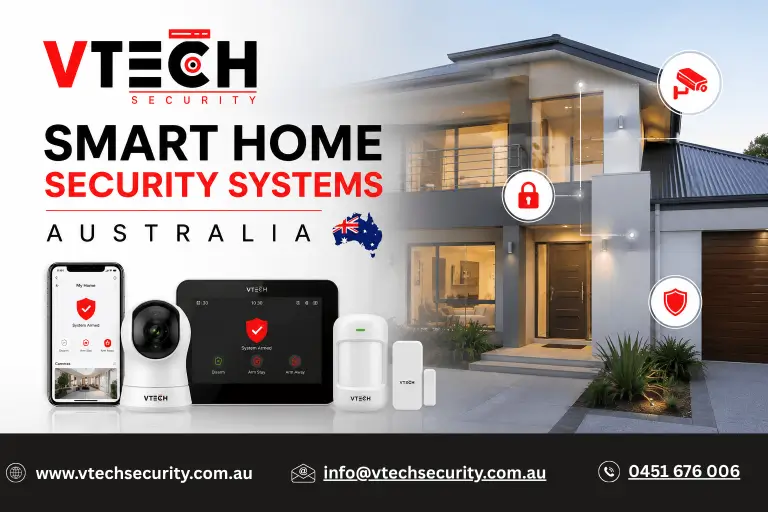
Home security is evolving rapidly across Australia. Traditional alarm systems are no longer enough for homeowners who want complete visibility, remote access, and instant alerts. In 2026, the demand for smart home security systems Australia continues to grow as families seek better protection, convenience, and home automation features. Modern systems now combine AI-powered surveillance, smart alarms, wireless connectivity, and automation to create a safer living environment.
Whether you own a house, townhouse, or apartment, investing in the right security solution can help protect your property while giving you peace of mind.
Why Smart Home Security Systems Are Popular in Australia
Australian homeowners are increasingly choosing connected security solutions because they offer much more than traditional alarm systems. Modern systems provide real-time notifications, remote monitoring, cloud recording, and intelligent motion detection through smartphone apps. Many platforms can also integrate with lighting, locks, and voice assistants for complete home security automation.
Key benefits include:
1. Remote monitoring from anywhere
2. Instant alerts for suspicious activity
3. Smart security cameras with AI detection
4. Integration with smart locks and lighting
5. Reduced false alarms
6. Wireless installation options
7. Improved property value and safety
Essential Features to Look For
1. Wireless Security Systems
One of the biggest trends in Australian home protection is the rise of wireless security systems. These systems eliminate the need for extensive cabling, making installation faster and more cost-effective.
Advantages include:
1. Easier installation
2. Flexible device placement
3. Expansion without rewiring
4. Better suitability for renters and existing homes
Wireless technology has become significantly more reliable in recent years, making it a preferred choice for many homeowners.
2. Smart Security Cameras
Modern smart security cameras offer far more than video recording. AI-powered cameras can identify people, vehicles, and unusual activity while reducing false alerts caused by pets or weather conditions.
Look for features such as:
1. 4K video resolution
2. Night vision
3. Two-way audio
4. Motion detection
5. Cloud and local storage
6. Mobile notifications
Many premium systems now provide forensic-level video clarity for enhanced identification and evidence collection.
3. Smart Home Alarms Australia
Today’s smart home alarms Australia homeowners prefer are integrated systems that connect sensors, cameras, and mobile devices into one platform.
Popular alarm features include:
1. Door and window sensors
2. Glass-break detection
3. Motion sensors
4. Panic buttons
5. Remote arming and disarming
6. Professional monitoring options
These intelligent alarm systems can notify homeowners immediately when suspicious activity occurs.
4. Home Security Automation
A major advantage of modern systems is home security automation. Instead of manually controlling every device, automation allows your home to respond automatically to potential threats.
Examples include:
1. Lights turning on when motion is detected
2. Doors automatically locking at night
3. Cameras activating when sensors are triggered
4. Voice assistant integration
5. Automated security routines
Automation improves both convenience and security while making your home feel occupied even when you’re away.
Smart Home Security Trends in 2026
1. AI-Powered Detection
Artificial intelligence is transforming home security. Modern cameras can distinguish between people, pets, and vehicles, significantly reducing false alarms while improving threat detection.
2. Smart Locks and Access Control
Smart locks are becoming a standard component of modern security systems. Features such as biometric authentication, mobile access, guest codes, and remote locking provide greater control over home access.
3. Integrated Smart Home Ecosystems
Today’s homeowners want unified platforms where security, lighting, climate control, and access management work together seamlessly. This trend is driving the growth of comprehensive smart home ecosystems.
How to Choose the Right System
When selecting a smart home security solution, consider:
1. Property Size
Larger homes may require additional cameras, sensors, and monitoring zones.
2. Installation Method
Wireless systems are generally easier and faster to install than traditional wired setups.
3. Monitoring Requirements
Decide whether you need self-monitoring through an app or professional monitoring services.
4. Future Expansion
Choose a scalable system that can grow with your security needs.
5. Cybersecurity Protection
Connected devices should include strong encryption, secure authentication, and regular software updates to protect against cyber threats.
Why Professional Installation Matters
While DIY systems can be attractive, professionally installed solutions often provide:
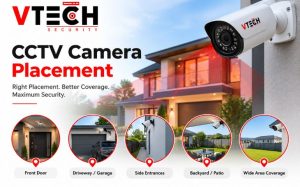
1. Optimal camera placement
2. Proper sensor coverage
3. Reliable network configuration
4. Reduced blind spots
5. Better long-term performance
A professionally designed system ensures every entry point and vulnerable area receives appropriate protection.
Conclusion
The best smart home security systems Australia homeowners choose in 2026 combine intelligent monitoring, wireless connectivity, automation, and AI-powered detection. From smart home alarms Australia residents rely on to advanced smart security cameras and complete home security automation, modern solutions offer a higher level of protection than ever before.
For homeowners seeking long-term security, convenience, and peace of mind, investing in a professionally designed smart security system is one of the most effective ways to protect your family and property.
FAQs
1. What is the best smart home security system in Australia?
The best system depends on your property’s size, budget, and security requirements. Look for systems that offer smart cameras, mobile access, wireless sensors, and automation features.
2. Are wireless security systems reliable?
Yes. Modern wireless security systems use encrypted communication and reliable connectivity, making them highly dependable for residential security.
3. Do smart security cameras work without Wi-Fi?
Some cameras offer local recording and cellular backup options, but most advanced features require an internet connection.
4. How much does a smart home security system cost in Australia?
Costs vary depending on equipment, monitoring services, and installation requirements. Basic systems are more affordable, while advanced automated solutions require a larger investment.
5. Can smart home alarms be controlled remotely?
Yes. Most modern smart home alarms Australia homeowners install can be controlled through mobile apps, allowing remote arming, disarming, and alert management.