
CCTV Camera
Choosing the right security system for your home is no longer optional – it’s essential. With rising concerns around safety, many homeowners are comparing wired vs wireless security cameras to determine which option suits their needs best. If you’re based in Australia, factors like property size, internet reliability, and climate conditions can significantly influence your decision.
In this guide, we’ll break down the differences between wired and wireless CCTV systems, including their advantages, limitations, and which is ideal for Australian homes.
Understanding Wired and Wireless Security Cameras
Before diving into comparisons, it’s important to understand how each system works.
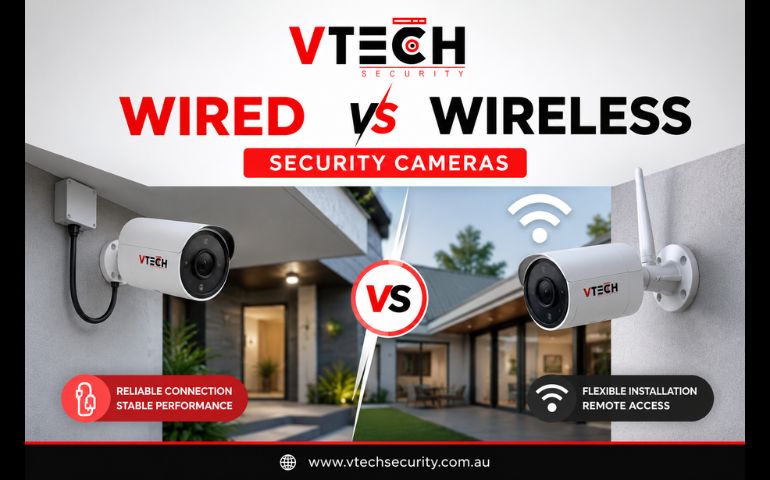
1. Wired security cameras are connected via cables to a recording device (DVR/NVR) and power source.
2. Wireless security cameras transmit video signals over Wi-Fi and are often powered by batteries or plug-in adapters.
This fundamental difference impacts installation, performance, and long-term usability.
Wired vs Wireless Security Cameras: Key Differences
1. Installation and Setup
Wired systems require professional installation due to cabling and drilling, making them more complex. However, once installed, they are stable and reliable.
Wireless security cameras Australia homeowners prefer are easier to install and can often be set up without professional help. They’re ideal for renters or those looking for a quick solution.
Verdict: Wireless cameras win for convenience; wired systems are better for permanent setups.
2. Reliability and Performance
Wired CCTV systems offer consistent performance because they are not dependent on Wi-Fi. This makes them ideal for larger homes or areas with poor internet connectivity.
Wireless CCTV vs wired CCTV becomes a critical comparison here—wireless cameras can suffer from signal drops, especially in homes with thick walls or weak internet connections.
Verdict: Wired cameras are more reliable, especially in Australian suburbs with inconsistent internet.
3. Video Quality and Storage
Wired systems typically provide higher video quality and continuous recording. They store footage locally, which ensures data security and uninterrupted recording.
Wireless systems often rely on cloud storage and may require subscriptions. While modern wireless cameras offer HD quality, performance can fluctuate with internet speed.
Verdict: Wired cameras offer superior consistency and storage reliability.
4. Flexibility and Scalability
Wireless cameras are highly flexible and can be relocated easily. You can add more cameras without extensive rewiring.
Wired systems, on the other hand, are less flexible once installed but can support larger, more complex surveillance networks.
Verdict: Wireless systems are better for flexibility; wired systems are ideal for long-term scalability.
5. Cost Considerations
Wireless security cameras Australia homeowners choose are generally cheaper upfront but may include ongoing cloud storage fees.
Wired systems have higher initial installation costs but lower long-term expenses since they don’t rely on subscriptions.
Verdict: Wireless is budget-friendly initially; wired is cost-effective over time.
Pros and Cons CCTV Systems
Wired Security Cameras
Pros:
1. Reliable and stable connection
2. High-quality video recording
3. No dependency on internet
4. Secure local storage
Cons:
1. Complex installation
2. Higher upfront cost
3. Limited flexibility
Wireless Security Cameras
Pros:
1. Easy installation
2. Flexible placement
3. Remote access via mobile apps
4. Lower initial cost
Cons:
1. Dependent on Wi-Fi
2. Possible signal interference
3. Subscription costs for cloud storage
4. Battery maintenance
Best Security Camera System Australia: Which One Should You Choose?
The answer depends on your specific needs:
Choose wired systems if:
1. You own a large property
2. You want maximum reliability
3. You prefer continuous recording
Choose wireless systems if:
1. You want easy installation
2. You live in a rental property
3. You need flexible camera placement
For many Australian homeowners, a hybrid system combining both wired and wireless cameras offers the best balance of performance and convenience.
Final Thoughts
When comparing wired vs wireless security cameras, there’s no one-size-fits-all answer. Both systems have their strengths and limitations. Wired cameras excel in reliability and performance, while wireless systems stand out for convenience and flexibility.
If you’re looking for the best security camera system Australia, consider your property type, budget, and security priorities. Investing in the right system today ensures peace of mind for years to come.
FAQs
1. Are wireless security cameras reliable in Australia?
Yes, wireless security cameras Australia homeowners use are reliable if you have a strong and stable internet connection. However, they may face issues in areas with poor Wi-Fi coverage.
2. What is better: wireless CCTV vs wired CCTV?
Wireless CCTV vs wired CCTV depends on your needs. Wired systems offer better reliability, while wireless systems provide flexibility and easier installation.
3. Do wireless cameras work without the internet?
Most wireless cameras require internet for remote viewing, but some can record locally without Wi-Fi.
4. Which is the best security camera system for large homes in Australia?
Wired systems are generally the best security camera system Australia homeowners prefer for large properties due to their stable performance.
5. What are the main pros and cons CCTV systems?
The main pros and cons CCTV systems include reliability vs flexibility, installation complexity vs ease, and upfront cost vs long-term expenses.