Footscray is a bustling inner west Melbourne suburb with premium residential properties sharing close proximity with apartments, town houses, shop top properties and commercial buildings. The local planning framework permits ongoing residential and commercial development, with its central activity space comprising of streets like Barkly, Nicholson, Leeds and Irving streets. A professionally designed security system that can be easily controlled by Footscray property owners assists in protecting access points, outdoor spaces, shared spaces and assets.
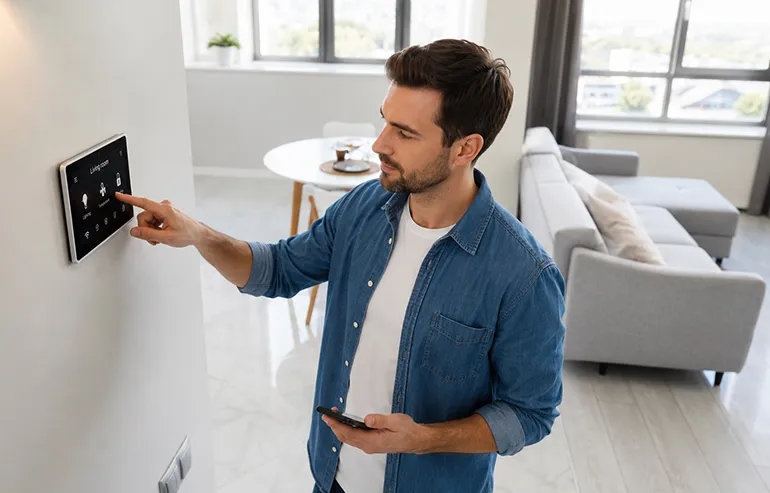
Residents who commute through Footscray Station, have a business there or spend a lot of time away from home may find remote access more convenient for everyday security. Users can watch live footage, view recorded events, get motion alerts, set alarm controls etc. from a compatible smartphone application depending on the equipment selected. The residents and commuters of Footscray can access train services from Footscray Station.
All those options can be integrated into a professionally installed system, along with video doorbells, sensors and even smart security. The correct setup will vary depending on the property layout, access, internet connectivity and the location of access points where reliable internet is required.
Security Systems Available in Footscray
There is no single security package that suits every property. A compact apartment near central Footscray has different requirements from a detached home, a townhouse with rear access or a street-facing retail premises. A suitable home security system Footscray installation should account for the building design, access restrictions, lighting conditions and how occupants use the property.
Some of the common options include:
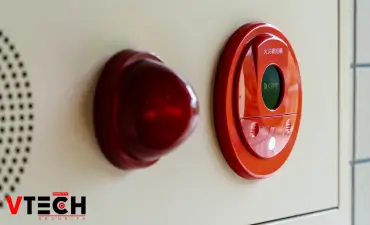
- Home alarm systems with door, window and motion sensors that can alert occupants to unexpected entry.
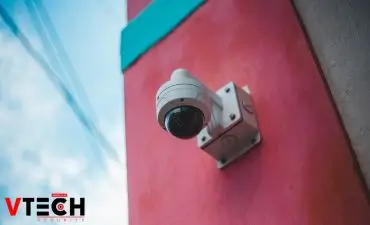
- CCTV camera systemsfor monitoring driveways, entrances, side paths, garages, courtyards and stock areas.
- Wireless security systems that may reduce the need for extensive cabling and connect compatible devices through a secure network.
- Video doorbells and intercoms that help residents or staff identify visitors before providing access.
- Professional installation to position equipment correctly, reduce blind spots and configure recording and mobile-access features.
In Melbourne's vibrant inner north, Brunswick, there are modern-style residential complexes that require a tailored approach by professionals to install security systems. You can choose the ones that suit the size, location and budget to receive the protection without any complexities.
How Does Security System Installation Footscray Work?
Good property protection begins with planning - don't install a camera just anywhere. A structured installation process will support all components to have a clear purpose and to be part of one coordinated surveillance system.
Initial Property Assessment
The first step is to analyze the property layout and determine practical security issues. An installer may evaluate entrances, windows, garages, side access, balconies, common corridors, car parks/stock areas. Other factors to take into account include camera height, light at night, Wi-Fi coverage, power access, and boundaries of privacy. This evaluation will identify whether the wired or wireless, or hybrid equipment will be most feasible.
Custom Security Design
The assessment is used to create a security system that is appropriate for the property. A CCTV installation Footscray plan can comprise of fixed cameras for entries, broader angle cameras for open spaces and an alarm system Footscray set up for doors, windows or inner movement. The equipment may be chosen based on the building design, desired features and budget. The design should also take into account if the customer wants to see the footage remotely, have it recorded, or get alerts on their mobile devices, or be able to expand the system in the future.
Professional Installation
Technicians mount cameras, sensors, control panels and recording equipment in optimal locations. When properly installed, it can enhance available coverage and minimize glare, obstructions, weak night time images and unnecessary motion alerts. Cables should be routed neatly, equipment should be securely mounted and disruption to the property should be kept to a minimum wherever possible.
System Configuration and Testing
Once installation is done, the testing and configuration of the system's settings are equally important. It ensures that every camera and other security components are connected and how they will perform in case of an emergency.
System Configuration and Testing
After installation, every device should be configured and tested. This includes checking image quality, recording schedules, alarm zones, notification settings and mobile application access. The system’s date, time and storage preferences should also be confirmed. Testing helps ensure that the cameras, sensors, alarms and recording equipment communicate correctly before the installation is completed.
Customer Training and Support
Customers should understand how to arm and disarm alarms, view cameras, find recorded footage, manage users and respond to alerts. Clear guidance is especially important for households or businesses with several authorised users. Everyone who needs access should understand the basic controls and know how to use the system without accidentally changing essential settings.